 Italiano
  Français
  Español
  Deutsch
  Português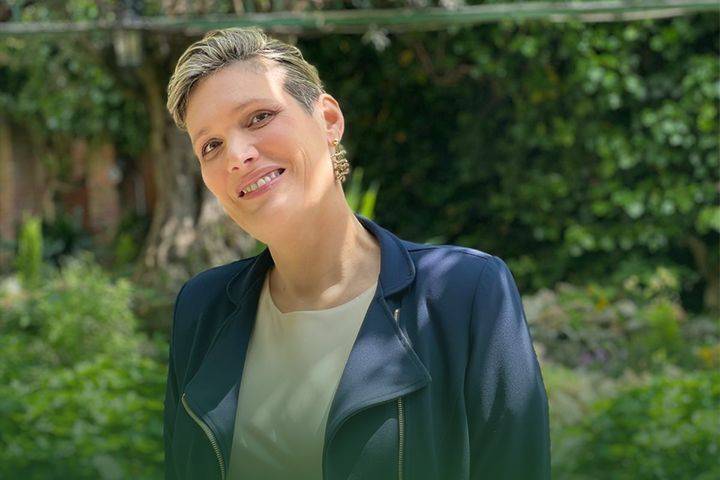
Between the hills of the Langhe and the mountains of the Cuneo area, luxury finds its most authentic form: thoughtful hospitality, harmony with the landscape, and respect for the history of places. In the heart of the province of Cuneo, the concept of luxury takes on a different meaning: discreet, refined, and deeply connected to local identity.
In this setting works Valentina Marzotto, property manager at Casa Renta, a company that manages and enhances prestigious properties by transforming them into tailor-made experiences for guests and investors. With her, we explored the evolution of the profession, new market trends, and the outlook for a sector in constant transformation.
In recent years, the role of the property manager has evolved rapidly. How has your work changed, and which new skills are now essential for managing luxury properties?
Our role is no longer limited to handling routine maintenance; today, it is about strategically managing the value of a property, especially in the luxury segment. This shift is particularly evident in areas such as the Langhe, Roero, Piedmont, and Valle d’Aosta, where an increasingly international clientele demands very high quality standards.
A much broader set of skills is required. These range from managing complex projects, such as renovations and refurbishments, to coordinating technical suppliers, artisans, and local professionals. This aspect is crucial in our regions, where many properties are historic farmhouses or chalets requiring highly specialized interventions.
Another major evolution concerns the experiential dimension. Those who choose a prestigious property in these areas are not simply looking for a place to stay, but for an experience that tells the story of the territory and its excellence. As a result, the ability to create customized services is increasingly important, working with high-quality tourism partners and turning property management into an authentic, refined experience.
Today, strong digital skills are equally essential. From home automation and remote management to reporting systems, everything contributes to allowing international owners to stay constantly informed and feel clearly supported.
Finally, sustainability has taken on a central role, especially in mountain and hillside areas. Energy efficiency, natural materials, and respect for the landscape are non-negotiable requirements for a mindful and discerning clientele.
In your view, what makes a property “truly luxurious” today, and how do you enhance these elements in your management activity?
Luxury is no longer just about square meters or finishes; it is a combination of factors that generate quality, authenticity, and well-being. This translates above all into distinctive architecture and a deep interaction with the surrounding environment, because true value arises from the harmony between the property and its context.
Privacy is another crucial element, an increasingly sought-after luxury among international clients who choose these areas for their delicate balance of tranquillity, beauty, and discretion. A luxury property must therefore offer generous and functional spaces, both indoors and outdoors, and allow guests to enjoy authentic experiences connected to the region.
High-end clients also look for energy-efficient properties, built or renovated with natural, environmentally respectful materials, especially in hillside and mountain areas where the landscape is fragile and extremely valuable. In my work, I aim to highlight these characteristics through a personalized management approach, starting with a careful analysis of the property and its potential, followed by targeted maintenance, aesthetic care, and space optimization.
Langhe, Roero, Valle d’Aosta: what do these areas offer to luxury clients?
My work mainly takes place in territories with a strong, clearly recognizable identity, such as the Langhe, Roero, Piedmont, and Valle d’Aosta. Here, the beauty of the landscape is not merely a backdrop, but directly influences property value.
Quality of life is shaped by natural rhythms, UNESCO-listed vineyards, well-preserved historic villages, and a food and wine culture that attracts a demanding international audience. In the Langhe and Roero, stone farmhouses, historic residences, and vineyard properties define a very distinctive market. In Valle d’Aosta, on the other hand, the combination of alpine architecture, high energy performance, and proximity to major ski resorts makes properties particularly appealing to those seeking privacy, authenticity, and a high level of comfort.
Today, technology, sustainability, and personalization are transforming the way people travel and experience the mountains.
How do you envision the future of the property manager profession, and which innovations are already reshaping the sector?
The future of the property manager profession will increasingly depend on technology, sustainability, and personalization. These three elements are rapidly changing the way people travel and live, especially in destinations valued for their authenticity, nature, and international reputation.
Technology is now essential to modern management. Luxury properties are increasingly integrated with advanced home automation systems. This allows owners, even those living abroad, to benefit from continuous and transparent monitoring, while offering guests immediate, intuitive comfort that makes their stay simpler and more enjoyable.
Sustainability is another fundamental pillar, particularly where protecting the landscape is a priority. High-end clients seek efficient homes, high-quality restorations, natural materials, and reduced energy waste. It is no longer enough to offer an impeccably managed property: guests want tailor-made services that enhance the territory itself.
In this context, the property manager will no longer be just an administrator, but a consultant capable of combining technology, environmental awareness, and deep local knowledge.
Why did you choose to become a partner of Luxforsale, and what do you expect from this decision?
I chose to collaborate with Luxforsale because I fully share its vision of luxury: a concept based on quality, care, relationships, and tangible value, not merely on appearances. Being part of Luxforsale means joining a context where the same vision of the market and the profession is shared: a network where collaboration matters more than competition, and where professionals are united by common goals, a shared mission, and high standards.
This creates an environment of continuous growth and exchange, which I consider essential in a rapidly evolving sector like luxury. Another key aspect is training: Luxforsale provides modern tools, dedicated educational paths, and ongoing support that help professionals improve their skills and stay aligned with the evolving needs of the high-end market.
Having a dedicated team that supports you, guides you, and helps enhance your work truly makes a difference. From this partnership, I expect to grow further in the luxury sector, expand networking opportunities, and give greater visibility to my properties and my way of working, especially in a market where luxury demands a serious, competent approach focused on the quality of experience for both clients and property owners.